Are There Better Options Than a Permanent Backyard Gazebo?
Last Updated: November 18, 2026
Quick Summary
Yes, louvered pergolas, patio covers, shade sails, awnings, and portable canopies are alternatives to a permanent gazebo, and most avoid foundation work and permits. A louvered pergola comes closest in function, with adjustable slats that shed rain through integrated drainage, while staying relocatable and requiring no concrete. Choose based on how permanent you want the structure, how much weather protection you need, and how much installation you can take on.
- A gazebo is freestanding and roofed, a pavilion is larger with a solid roof, and a pergola has an open or louvered roof.
- The Alora louvered pergola with LED lights costs $4,199.97 and needs no concrete.
- The 10x19 all-weather pergola is rated for winds up to 73 mph and costs $5,499.97.
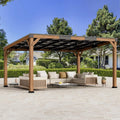
- The Arcadia polycarbonate patio cover handles a 30 lbs/sq. ft. snow load and costs $3,453.43.
- Confirm HOA rules first, then zoning and setbacks, then utilities, then buy.
Table of Contents
- Why Homeowners Look Beyond a Permanent Gazebo
- Pavilion vs Gazebo vs Pergola: How the Three Main Structures Differ
- Pergola Alternatives Ideas That Still Deliver Real Shade
- Backyard Shade Structure Cost: What You Pay Up Front and Over Time
- DIY Gazebo Alternatives and Portable Shade You Can Move or Store
- Permits, Zoning, and HOA Rules Before You Anchor Anything
- Matching the Structure to Your Climate, Site, and Installation Crew
- Choosing Your Shade Structure From the Collection
- Frequently Asked Questions
Why Homeowners Look Beyond a Permanent Gazebo
The outdoor living structure market was valued at $2.5 billion in 2025 and is projected to reach $4.0 billion by 2033, according to Grand View Research's outdoor living structures forecast. That growth reflects a simple reality: homeowners want shade, shelter, and usable outdoor space. But a permanent gazebo is not the only way to get there, and for many yards it is not the best way.
Homeowners weighing alternatives to permanent backyard gazebo structures often raise the same concerns. The same concerns come up: foundation work, permits, wind load, and whether a fixed footprint will still suit the yard in ten years. Those concerns are legitimate. A permanent gazebo locks in one decision for decades.
Below, we break down the real alternatives, what each costs up front and over time, and how to pick the one that fits your site.
Pavilion vs Gazebo vs Pergola: How the Three Main Structures Differ
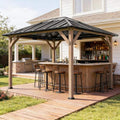
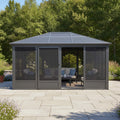
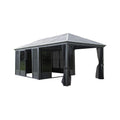
The three main backyard shade structures differ by roof type and enclosure. A gazebo is a freestanding, roofed structure, often octagonal or rectangular, with open or screened sides. A pavilion is a larger solid-roof structure, usually open-sided. A pergola is a frame with an open or louvered roof that provides partial shade rather than full weather protection.
That last distinction matters most. A comparison from an expert structure guide on YouTube notes that pergolas have open roofs and deliver partial shade, while pavilions use solid roofs for fuller coverage. If you want rain protection, an open pergola alone will not give it to you. A louvered pergola will, once the slats close.
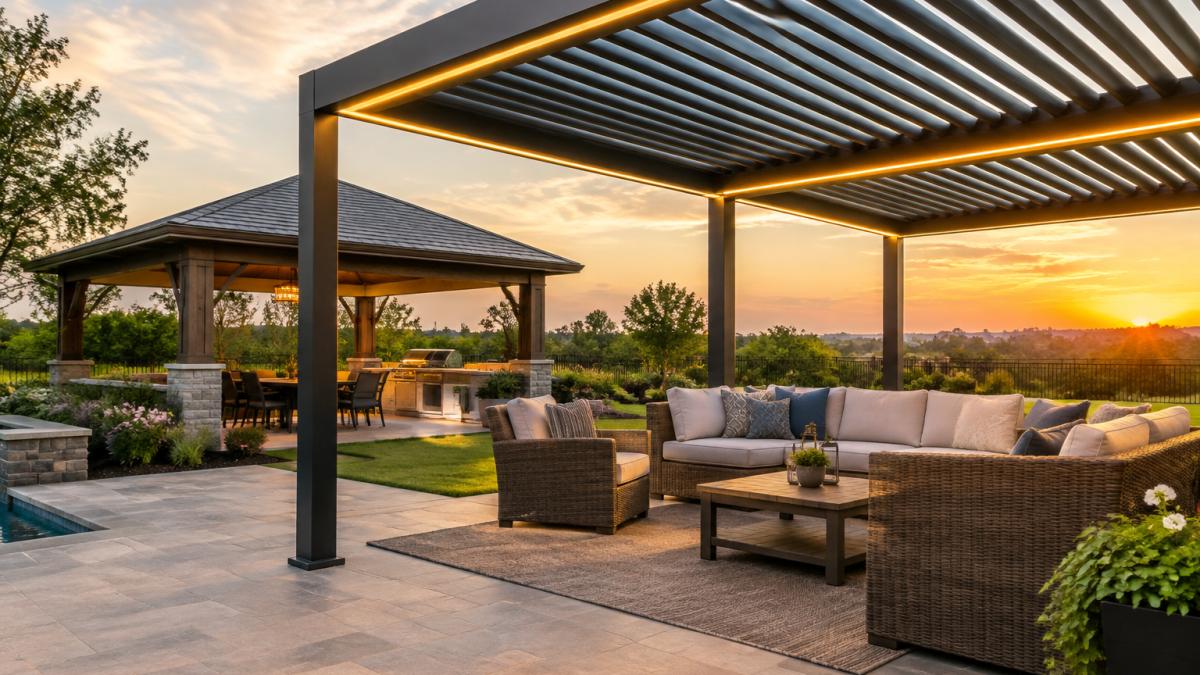
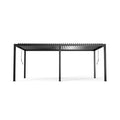
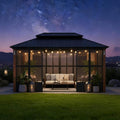
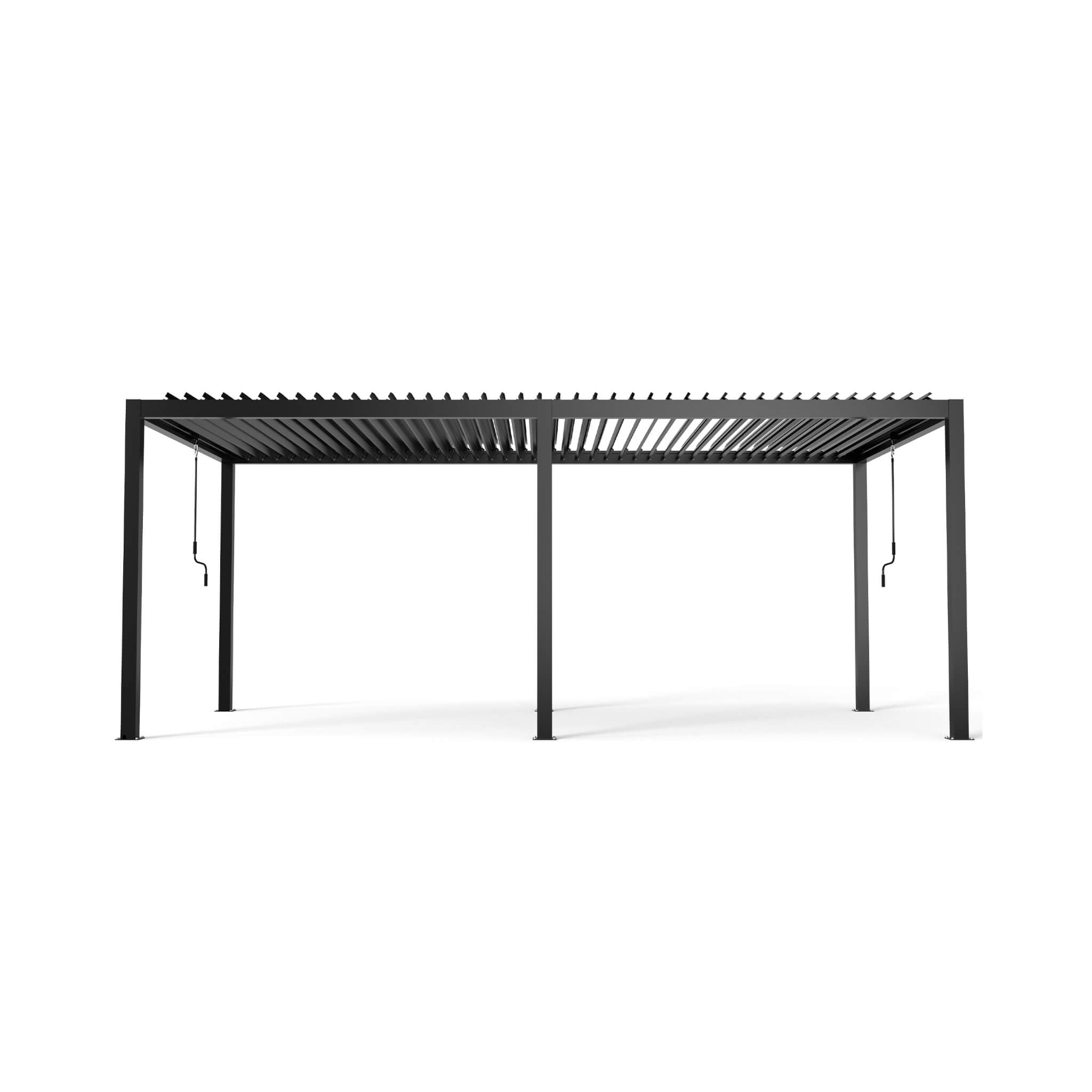
If you want to see what a pergola actually looks like as a product, the Alora all-weather aluminum pergola with steel louvers shows the frame and louver construction up close.
Pergola Alternatives Ideas That Still Deliver Real Shade
Pergola alternatives generally fall into a few buckets: louvered pergolas, patio covers, shade sails, and awnings. Each delivers shade differently, and each has a trade-off.
- Louvered pergolas: adjustable slats control sun and airflow, and closing them sheds rain through integrated drainage.
- Patio covers: fixed solid or polycarbonate roofs attached to the house or freestanding.
- Shade sails: fabric stretched between anchor points, inexpensive but not rain protection.
- Retractable awnings: mounted to the house, good for seasonal shade, limited coverage.
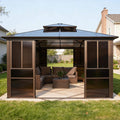
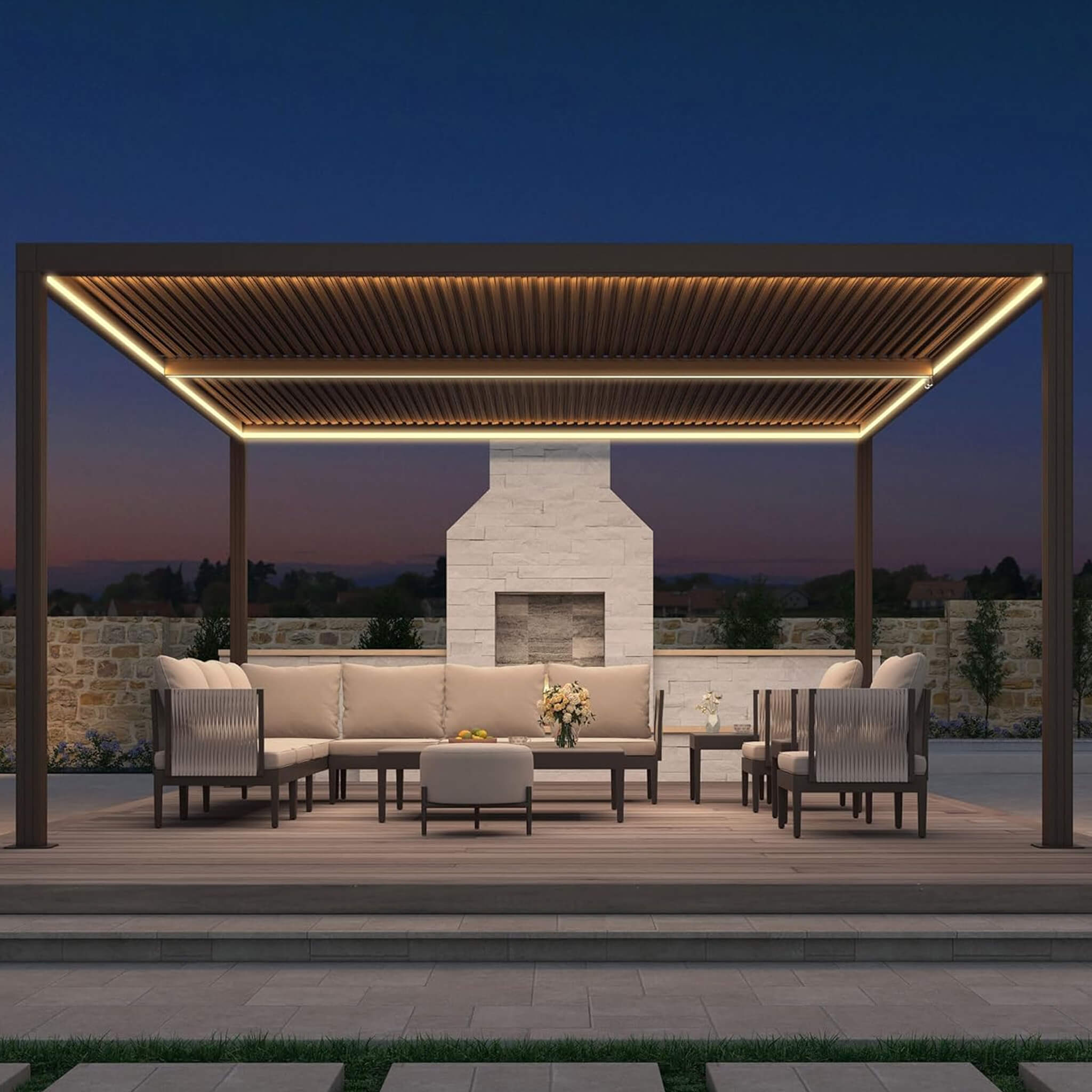
A louvered pergola sits closest to a gazebo in function without the permanent footprint. The Alora louvered patio pergola with LED lights is a good example: the louvers rotate from 0° to 90°, and a hidden gutter system channels rainwater through the posts.
Backyard Shade Structure Cost: What You Pay Up Front and Over Time
Backyard shade structure cost splits into two numbers: the purchase price and the lifetime cost. Most buyers only compare the first. The second is where a permanent gazebo quietly loses ground.
A permanent gazebo is rarely just a kit. A permanent gazebo often requires more than the kit itself, such as foundation work, site preparation, and installation labor. Over time, upkeep and repairs can add to the total cost of ownership.
| Option | Up-Front Price | Installation | Lifetime Cost Notes |
|---|---|---|---|
| Louvered pergola (Alora with LED) | $4,199.97 | Straightforward assembly, no concrete required | Aluminum resists rust and fading; minimal upkeep; louver and LED parts are replaceable |
| Large all-weather pergola (10x19) | $5,499.97 | Prefabricated rails, no welding | Steel louvers rated to 73 mph; periodic cleaning of gutters and slats |
| Polycarbonate patio cover (Arcadia) | $3,453.43 | Two people, a few hours | 30 lbs/sq. ft. snow load; hose-clean frame; panels replaceable individually |
| Permanent gazebo | Kit plus foundation and labor | Contractor likely; concrete pad or footings | Repairs and refinishing over time; roof, screen, and hardware replacement |
The pattern is clear: the permanent option carries hidden costs that the sticker price never shows. Modular and prefabricated structures are gaining ground partly because they cut installation time while keeping design flexibility, per the Global Outdoor Living Structure Market Report 2026.
Three lifetime-cost questions separate the options faster than any spec sheet:
- What has to be replaced first, and can I buy the part? Fabric canopies and shade sails can fade and tear over time, so check whether a seller offers replacement parts before you buy.
- What does annual upkeep actually involve? Ask each seller for care instructions for the specific materials you are considering.
- What happens if I move or redo the yard? A bolted-down structure can be disassembled and relocated; a poured foundation cannot.
Watch out: comparing a kit price to a contractor-installed price is the most common budgeting error, ask each seller what the quoted number includes for surface prep, anchoring, and delivery before you line them up.
Up-front prices of backyard shade structure options
DIY Gazebo Alternatives and Portable Shade You Can Move or Store
DIY gazebo alternatives suit homeowners who want shade without a contractor or a permanent commitment. Portable structures and movable shade let you reposition coverage as the seasons change.
Backyard Living Co.'s comparison of permanent and portable gazebos makes the case directly: portable solutions fit seasonal use and flexibility, while permanent structures suit homeowners who want permanence and a fixed aesthetic. Neither is wrong. They answer different questions.
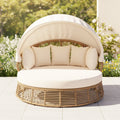
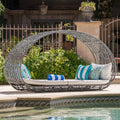
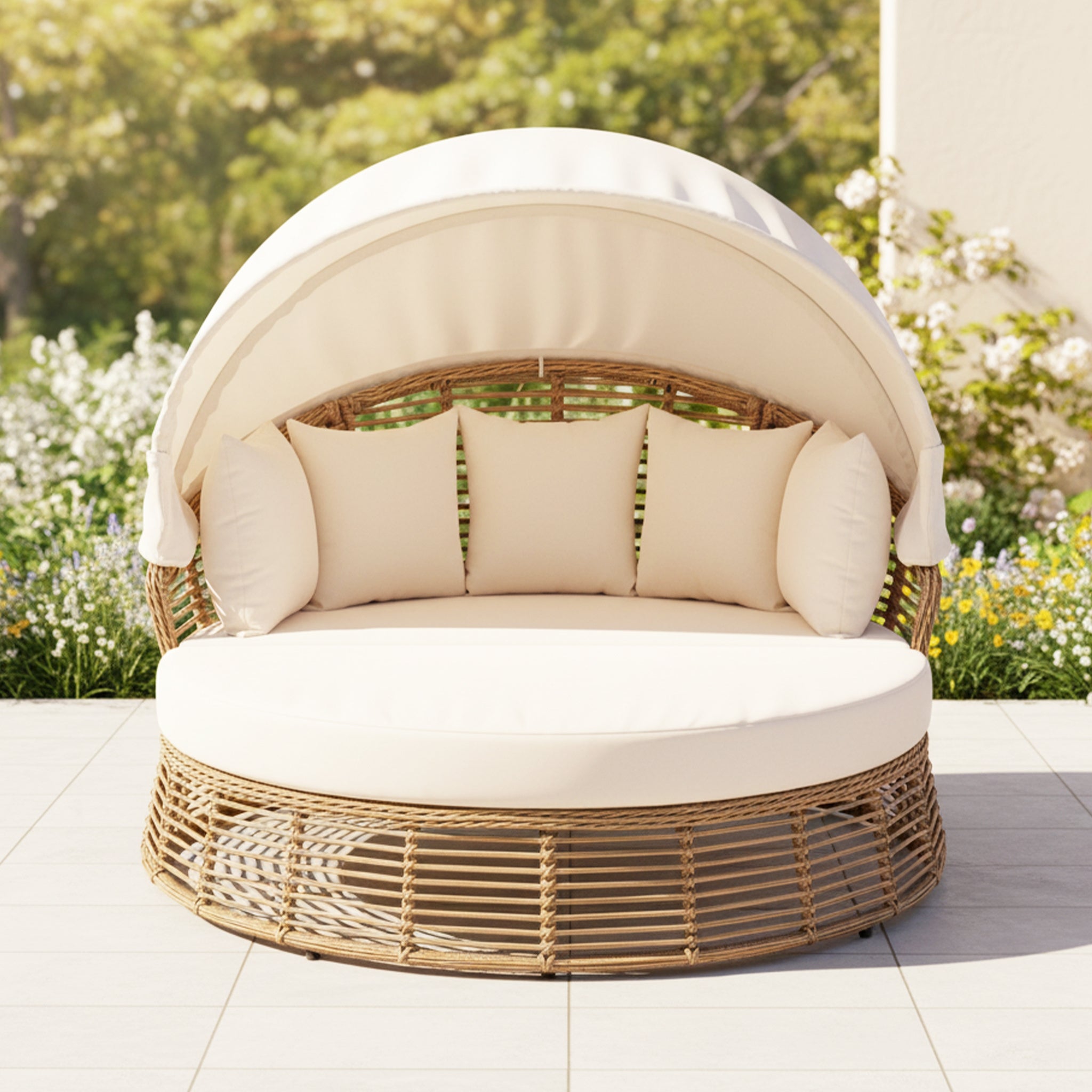
For movable shade with a design edge, the Alora round wicker daybed with retractable canopy pairs seating with adjustable sun protection and assembles in about an hour. Pop-up canopies and shade sails are generally more portable, but they typically offer less durability and rain protection.
Permits, Zoning, and HOA Rules Before You Anchor Anything
Permits, zoning, and HOA rules are where permanent gazebos get expensive fast. A fixed structure often triggers setback requirements, height limits, and sometimes a building permit. A freestanding, relocatable structure may avoid some of that paperwork, but local rules determine what applies.
The trigger is usually attachment and permanence, not size alone. Structures that are anchored to a concrete slab, tied into the house, or wired for permanent power are the ones most likely to be treated as accessory structures or improvements.
Before you anchor anything, verify four things with the right source:
- Zoning and setbacks, call your local planning or building department and ask how they classify a roofed accessory structure, what the setback and height limits are, and whether a permit is required for your footprint.
- HOA covenants, request the current architectural rules in writing and ask whether roofed structures, hardtops, or anchored footings require approval before purchase.
- Utility easements and property lines, have utilities marked before any digging, and confirm the structure does not cross an easement even if it sits inside your fence.
- Insurance and resale, ask your insurer whether a fixed roofed structure changes your policy, and keep approval paperwork for disclosure at resale.
Watch out: skipping the HOA check can be costly. A structure that violates covenants may be ordered removed at your expense.
A practical sequence that saves rework: confirm HOA rules first, then zoning and setbacks, then utilities, then buy. If any answer is unclear, get it in writing from the reviewing office before you place an order, a short email reply is worth more than a verbal 'should be fine.'
Matching the Structure to Your Climate, Site, and Installation Crew
Climate and site conditions should drive the final choice. Wind, snow, rain, and sun exposure each point toward different structures.
If wind is your concern, look at rated limits. The 10x19 Alora pergola is rated for winds up to 73 mph, while the Alora louvered patio pergola is rated for winds up to 60 mph. In snow country, the Arcadia patio cover is rated for a 30 lbs/sq. ft. snow load. Where rain is a concern, the louvered pergolas' integrated drainage channels water away from the seating area.
Installation complexity is the other half. If you are weighing assembly effort before committing, our guide to modern gazebo assembly time requirements walks through what each structure actually demands.
Choosing Your Shade Structure From the Collection
The right choice comes down to three questions: how permanent do you want it, how much weather protection do you need, and how much installation can you take on. Answer those honestly and the shortlist writes itself.
Backyard Sanctuary Supply LLC offers a curated selection of outdoor living products. Our collection favors weather-resistant aluminum and steel construction, clean modern lines, and structures designed for year-round use. Free shipping is available on most orders within the Continental U.S.
Here is how we would decide:
- Want adjustable shade and rain protection without a foundation: a louvered pergola.
- Need broad coverage on a large patio: the 10x19 all-weather pergola.
- Want a solid roof for a car or patio: the Arcadia polycarbonate cover.
- Want movable, low-commitment shade: a canopy daybed or pop-up.
Get started with Backyard Sanctuary Supply LLC and turn your patio into a space you use in every season.
The hardest part is not finding shade. It is committing to a footprint you will still want in ten years. Start with the structure type, confirm your local rules, then match the materials to your climate.
Frequently Asked Questions
What can you use instead of a permanent gazebo?
A louvered pergola is the closest swap for most homeowners because it gives adjustable shade and, when the louvers close, rain protection through built-in drainage. Other options include a solid-roof pavilion, a polycarbonate patio cover, a retractable awning, a freestanding canopy, or a shade sail. Each trades some permanence for lower cost, faster installation, or the ability to move it. The right pick depends on whether you need full shade year-round or just seasonal cover.
Is a pergola or a pavilion better than a permanent gazebo?
It depends on how much weather protection you need. A pavilion has a solid roof and blocks rain and sun fully, similar to a gazebo but usually open on the sides. A pergola with an open roof gives partial shade only, while a louvered pergola can close its roof for rain protection. If you want a backyard focal point with full cover, a pavilion or louvered pergola works better than a traditional open pergola.
Is it cheaper to buy a shade structure or build one?
Buying a prefabricated structure usually costs less than a custom build once you add labor, permits, and materials. A louvered aluminum pergola from Backyard Sanctuary Supply runs $4,199.97 to $5,499.97, and a polycarbonate patio cover is $3,453.43. A custom-built gazebo typically adds design fees and contractor labor on top of materials. The Arcadia polycarbonate cover, for example, comes with pre-drilled holes and pre-cut panels and is designed for two people to install in a few hours.
What are the easiest backyard shade structures to install and remove?
Pop-up canopies and shade sails are generally quicker to set up and take down than permanent structures. A polycarbonate patio cover like the Arcadia is designed for two people to install in a few hours without building skills or special tools. The Alora all-weather pergola uses prefabricated rails and louvers with no welding and no special tools.
Do I need a permit for a pergola or patio cover?
Permit rules vary by municipality, so check with your local building department before you buy. Many areas require a permit for any structure above a certain square footage or height, and attached structures often trigger additional review. HOAs frequently cap structure height and set setback distances from property lines. Get the rules in writing first, because a structure that fails zoning or HOA approval may have to be removed at your cost.