7 Poly Lumber Winter Care Mistakes That Ruin Outdoor Furniture
Last Updated: November 8, 2026
Quick Summary
Yes, you can leave poly lumber furniture outside in winter. Poly lumber furniture is made from high-density polyethylene (HDPE) that resists moisture, rot, and freezing temperatures, so the frame survives winter without damage. The accessories, like cushions and hardware, usually don't.
- Winterizing a standard patio set takes about an hour and should be done before the first hard freeze.
- POLYWOOD brand furniture does not require a cover in winter, but any cover you use must be breathable.
- Clear snow after every storm that drops more than a few inches, especially heavy wet snow.
- Avoid metal shovels, rock salt, and hot water, which can gouge, stain, or stress the material.
- Bring cushions indoors for the season and replace any rusted steel fasteners with stainless steel.
Table of Contents
- Poly Lumber and HDPE: What Actually Holds Up in Winter
- Does POLYWOOD Need to Be Covered in the Winter?
- How to Winterize Patio Furniture: 6 Steps to Take Before the First Freeze
- How Long Can You Leave Poly Lumber Furniture Outside in Winter?
- Snow and Ice Removal Without Damaging the Frame
- Patio Furniture That Can Be Left Outside in the Winter: What Else Qualifies
- Winter Care for Cushions, Hardware, and Accessories
- Prepare Your Poly Lumber Furniture for Winter with Backyard Sanctuary Supply
- Frequently Asked Questions
Poly Lumber and HDPE: What Actually Holds Up in Winter
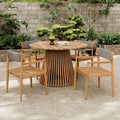
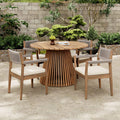
Yes, you can leave poly lumber furniture outside in winter. Poly lumber furniture is a dense plastic material made from high-density polyethylene (HDPE) that resists moisture, rot, and freezing temperatures. The frame survives winter; the accessories usually don't.
That's the short answer. The long answer matters more, because most winter damage we see has nothing to do with the poly itself.
Poly lumber is a synthetic wood substitute made from recycled or virgin HDPE, molded or extruded into boards that mimic timber grain. It doesn't absorb water, so it can't rot, swell, or feed mold the way wood does. Freeze-thaw cycles crack wood and concrete. They don't crack HDPE.
Poly Lumber vs. HDPE vs. Composite: Clearing Up the Names
These three terms get used interchangeably online, and that causes real confusion.
- HDPE is the raw plastic. Poly lumber is HDPE shaped into lumber profiles.
- Poly lumber usually means HDPE plus color pigments and UV stabilizers. Same base, better finish.
- Composite is a mix of plastic and wood fiber. It looks similar but can absorb some moisture through the wood content.
- PVC is a different plastic entirely. It's rigid and weather-resistant but not the same product.
So when someone asks whether poly lumber furniture can stay out all winter, they're really asking about HDPE. The answer is yes.
Does POLYWOOD Need to Be Covered in the Winter?
No, POLYWOOD brand furniture does not require a cover in winter. The material handles snow, ice, and cold on its own. Covers are optional protection, not a requirement.
Here's our honest take: covers help in two situations. First, if your furniture sits under trees that drop sap or debris. Second, if you want to keep the surface clean between uses. For plain snow and cold, a cover mostly saves you cleaning time.
Watch out: a cover that traps moisture against the frame does more harm than no cover at all. Use a breathable cover, and never wrap furniture in plastic sheeting.
How to Winterize Patio Furniture: 6 Steps to Take Before the First Freeze
Winterizing patio furniture takes about an hour for a standard set. Do it before the first hard freeze, not after.
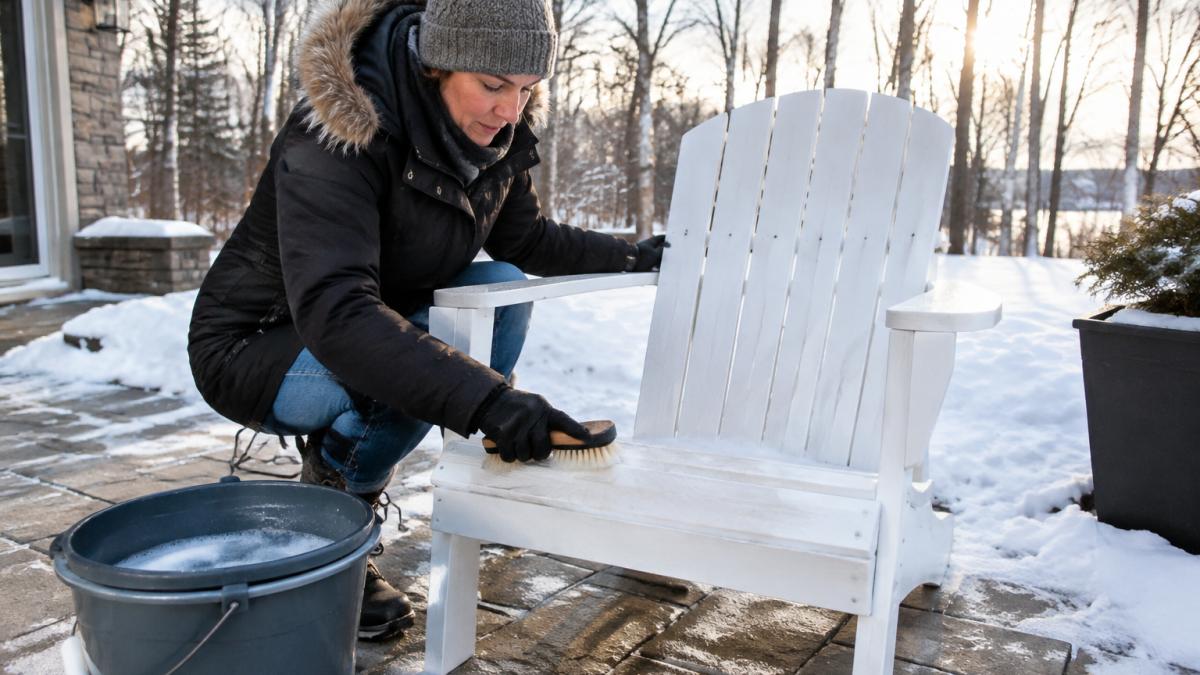
- Clean everything first. Dirt holds moisture. Use mild soap and water with a soft brush. Rinse and let it dry fully.
- Check the hardware. Tighten bolts and look for rust on steel fasteners. Stainless hardware lasts; cheap steel doesn't.
- Remove cushions and fabric. Store these indoors. They are the most vulnerable part of any set.
- Clear the ground underneath. Rake away leaves and debris so water drains instead of pooling.
- Decide on covers. Breathable only. Tie them down against wind.
- Store small pieces. Side tables and lightweight chairs can go in a shed or garage to reduce wind exposure.
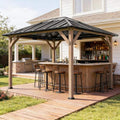
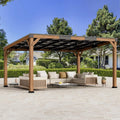
An all-weather pergola or covered structure takes the pressure off this whole list. If you're planning a permanent setup, browse our all-weather outdoor pergolas to shelter furniture before the first freeze.

How Long Can You Leave Poly Lumber Furniture Outside in Winter?
Indefinitely, in most climates. Poly lumber furniture can stay outside through the entire winter season without damage to the frame.
The material doesn't absorb moisture, so freeze-thaw cycles have nothing to act on. Snow sits on top and melts off. Ice doesn't bond to the surface the way it bonds to wood or metal.
What shortens that timeline:
- Heavy snow loads on tables and benches can stress joints over years.
- Strong winds move lightweight pieces around and can crack legs on impact.
- Salt spray near the coast affects metal hardware, not the poly.
- Extreme cold makes any plastic slightly more brittle, so avoid dragging furniture across frozen ground.
In practice, most homeowners leave poly sets out from first snow to spring thaw with zero issues. A quick brush-off after each storm is the whole maintenance routine.
Snow and Ice Removal Without Damaging the Frame
Snow removal on poly lumber is mostly about weight and abrasion, not chemical damage. The material itself will not rot or absorb meltwater, so the goal is to get heavy accumulation off before it stresses joints and to avoid tools that gouge the surface.
Tools that work:
- A plastic snow shovel or a wide plastic pusher is the right first tool. Keep the edge off the furniture surface and push snow off the top rather than chopping at it.
- A soft-bristle broom or a car snow brush handles light dustings and the last inch on chair backs and arms.
- A plastic ice scraper (the kind sold for car windshields) is acceptable on flat table tops when ice has bonded. Work at a low angle and let the scraper ride the surface.
Tools to leave in the garage:
- Metal snow shovels, garden spades, and ice choppers. A metal edge will gouge HDPE and leave a rough spot that collects dirt and looks dull.
- Rock salt, calcium chloride, and ice-melt blends. These are formulated for pavement, and residue tracked onto furniture attracts moisture and can leave white staining on textured surfaces. Sweep granular de-icer off furniture rather than rinsing it into the grain.
- Hot water. A sudden temperature change stresses any plastic, and water that refreezes in a joint can expand where you least want it.
Ice buildup: Let the sun do the work when you can. For thicker ice on a tabletop, lay a plastic scraper flat and work from the edge inward with steady pressure rather than tapping.
Timing and weight: Clear snow after every storm that drops more than a few inches, especially wet snow, which is far heavier per cubic foot than dry powder. A foot of wet snow on a large table can put hundreds of pounds of load on the frame and joints.
After the storm: Brush off remaining snow, check that drainage paths under and around the furniture are clear, and confirm that covers (if you use them) are not holding a pocket of meltwater against the frame.
Patio Furniture That Can Be Left Outside in the Winter: What Else Qualifies
Poly lumber isn't the only material that survives winter. Several others hold up well, each with trade-offs.
| Material | Winter Durability | Key Weakness | Best For |
|---|---|---|---|
| Poly lumber / HDPE | Excellent | Fades slowly in strong UV | Year-round exposure |
| Aluminum | Excellent | Dents; paint can chip | Lightweight frames |
| Teak | Good | Needs annual oiling | Covered patios |
| Wicker (resin) | Good | Cheap versions crack | Sheltered areas |
| Steel / iron | Fair | Rust without sealant | Covered setups |
| Wood furniture | Poor | Moisture absorption, rot | Indoor or covered use |
| Concrete | Good | Cracks in freeze-thaw | Permanent tables |
Aluminum frames resist corrosion and cold well. Teak handles weather but needs sealant to stay looking new. Wood and untreated steel are the materials that suffer most.
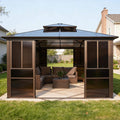
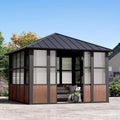
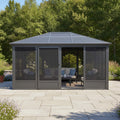
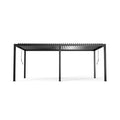
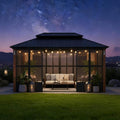
If you want a permanent structure to protect a full dining setup, a premium four-season hardtop gazebo keeps furniture sheltered year-round. A weather-protected patio cover does the same job for a carport-style space. For something heavier built to stand against snow, look at a heavy-duty hardtop sunroom.


Winter Care for Cushions, Hardware, and Accessories
The poly lumber frame is the durable part. Everything attached to it, strapped to it, or stacked on it is a different story, and that is where winter actually does damage.
Cushions and fabric. Outdoor cushion covers are typically solution-dyed acrylic or polyester, and both handle cold but not prolonged wetness.
Hardware and fasteners. Steel bolts and screws are the most common failure point on any outdoor furniture, poly included. Check every fall for rust bloom around bolt heads and replace any fastener that shows it.
Accessories. Umbrellas, side tables, small decor, and anything lightweight should come inside or go into a shed. To keep the patio usable in cold weather, consider an infrared patio heater.
Climate-specific notes. In dry cold with little snow, the main risks are wind and UV, and the frame needs almost nothing. In heavy-snow regions, weight management and snow removal are the priority.
Warranty and manufacturer care. Before winter, check the care instructions that came with your set and note what the warranty says about covers, cleaning products, and storage.
A simple winter kit helps:
- Breathable cover sized to the furniture, tied down
- Soft brush and plastic scraper
- Mild soap and water
- Sealed storage bin for cushions
- Stainless hardware spares
- Manufacturer care sheet filed with warranty paperwork
Prepare Your Poly Lumber Furniture for Winter with Backyard Sanctuary Supply
The hardest part of winter furniture care isn't the work. It's knowing which pieces you can trust to stay outside and which ones need to come in.
Poly lumber furniture sits firmly in the "leave it out" column. The frame handles snow, ice, and cold without complaint. Cushions, hardware, and small accessories are the parts that need attention. Get those right and your patio set comes through winter looking the way it did in fall.
At Backyard Sanctuary Supply LLC, we stock outdoor living pieces chosen for exactly this: year-round use, not fair-weather use. Our collection includes weather-resistant materials built for all seasons and clean, modern designs.
Get started with Backyard Sanctuary Supply and build a patio that works in every season, not just the warm ones.
The challenge is simple: most outdoor furniture looks great in July and falls apart by March. The fix is choosing pieces built for year-round exposure and knowing how to care for them. Backyard Sanctuary Supply LLC offers weather-resistant construction, a curated selection of all-season designs, and free shipping on most Continental U.S. orders.
Frequently Asked Questions
Can POLYWOOD furniture be left out in the snow?
Yes. POLYWOOD frames are made from high-density polyethylene, a material that does not absorb moisture, rot, or crack when temperatures drop. Snow sitting on the frame will not damage it. The parts that need attention are cushions, which should be brought inside, and hardware, which benefits from a quick inspection before winter.
What are the downsides of poly lumber furniture?
Poly lumber furniture is heavy, so moving pieces alone can be difficult. It also costs more upfront than basic wood or plastic options. Color can fade slightly over many years of direct sun, though UV stabilizers slow this. Some buyers find the finish looks less natural than real teak or cedar. None of these drawbacks affect winter performance, but they matter when you compare poly lumber furniture against other materials for your patio.
Does poly lumber furniture need to be covered in winter?
Not strictly. The frame can stay outside uncovered through snow, ice, and freeze-thaw cycles without structural damage. Covers help keep debris, bird droppings, and meltwater off the surface, which cuts down on spring cleaning. If you use a cover, choose one with ventilation and secure it loosely so moisture can escape. A trapped layer of damp air under a tight cover does more harm than leaving the piece open to the weather.
Can freezing temperatures damage poly lumber patio furniture?
Freezing temperatures alone do not damage poly lumber. The material is formulated to handle cold without becoming brittle, and it does not absorb water that could expand and crack it. Damage usually comes from other sources: heavy snow loads on a weak joint, ice scraped off with a metal shovel, or cushions left out to soak and freeze. Clear snow with a plastic shovel, store the cushions, and the frame will come through winter intact.