How to Protect Outdoor Furniture from Salt Spray
Last Updated: November 16, 2026
Quick Summary
Rinse your outdoor furniture with fresh water every one to two weeks during heavy salt spray season, and monthly in milder coastal conditions, to dissolve and wash away salt before it bonds. Then apply a coating matched to each material, such as marine-grade wax on powder-coated aluminum or a waterproofing sealer on wood, and reapply it every 2-3 months in direct-spray settings.
- Rinse patio furniture every 7-10 days if it sits in direct oceanfront, wind-driven spray.
- Never wipe salt off with a dry cloth, because that grinds salt into the finish.
- Skip the pressure washer on painted or sealed surfaces since it strips protective coatings.
- Dry metal completely before coating, because coating over damp metal traps moisture and causes blistering.
- Choose breathable, water-resistant covers rather than sealed tarps that trap condensation against cushions.
Table of Contents
- Why Salt Spray Damages Outdoor Furniture and How to Spot It Early
- Your Salt Spray Rinse Schedule: How Often to Wash Patio Furniture
- Material-Specific Care for Aluminum, Stainless Steel, Wrought Iron, Teak, Wicker, and Synthetic Resin
- Choosing a Protective Coating for Metal Outdoor Furniture
- How to Rust-Proof Outdoor Furniture Before Corrosion Sets In
- How to Protect Outdoor Furniture Cushions from Salt and Moisture
- How to Protect Outdoor Furniture from Salt Spray in Winter
- Removing Existing Salt Deposits and Treating Early Corrosion
- Frequently Asked Questions
Why Salt Spray Damages Outdoor Furniture and How to Spot It Early
Salt spray is one of the fastest ways to age outdoor furniture. Airborne salt settles on frames, cushions, and tabletops, then pulls moisture out of the air and holds it against the surface. That trapped moisture drives corrosion, stains fabric, and dulls finishes long before normal wear would. Coastal homes see this constantly, where good furniture fails for one reason: nobody built a salt-fighting routine.
What Salt Air Actually Does to Metal, Wood, and Fabric
Salt air is moisture carrying dissolved salt particles. When it lands on metal, it starts an electrochemical reaction that eats through paint and protective layers. Once that barrier breaks, rust and corrosion take hold. Wood absorbs the salty moisture and swells, then dries and cracks. Fabric holds the salt crystals in its fibers, which weakens threads and invites mold. The National Oceanic and Atmospheric Administration overview of coastal air and corrosion explains how salt-laden coastal air accelerates material breakdown.
Early Warning Signs: Chalky Film, Pitting, and Sticky Residue
Catch the damage early and most pieces recover. Watch for these signs:
- A chalky white film on metal frames
- Small pits or rough spots under the paint
- Sticky residue on tabletops and arms
- Faded or stiff cushions
- White crust along welds and joints
A common mistake is wiping these off with a dry cloth. That just grinds salt into the finish. Rinse first, always.
Your Salt Spray Rinse Schedule: How Often to Wash Patio Furniture
Rinse patio furniture with fresh water every one to two weeks during heavy salt-spray season, and monthly in milder coastal conditions. Fresh water dissolves and carries away the salt before it can bond to the surface. This single habit prevents most corrosion and staining.
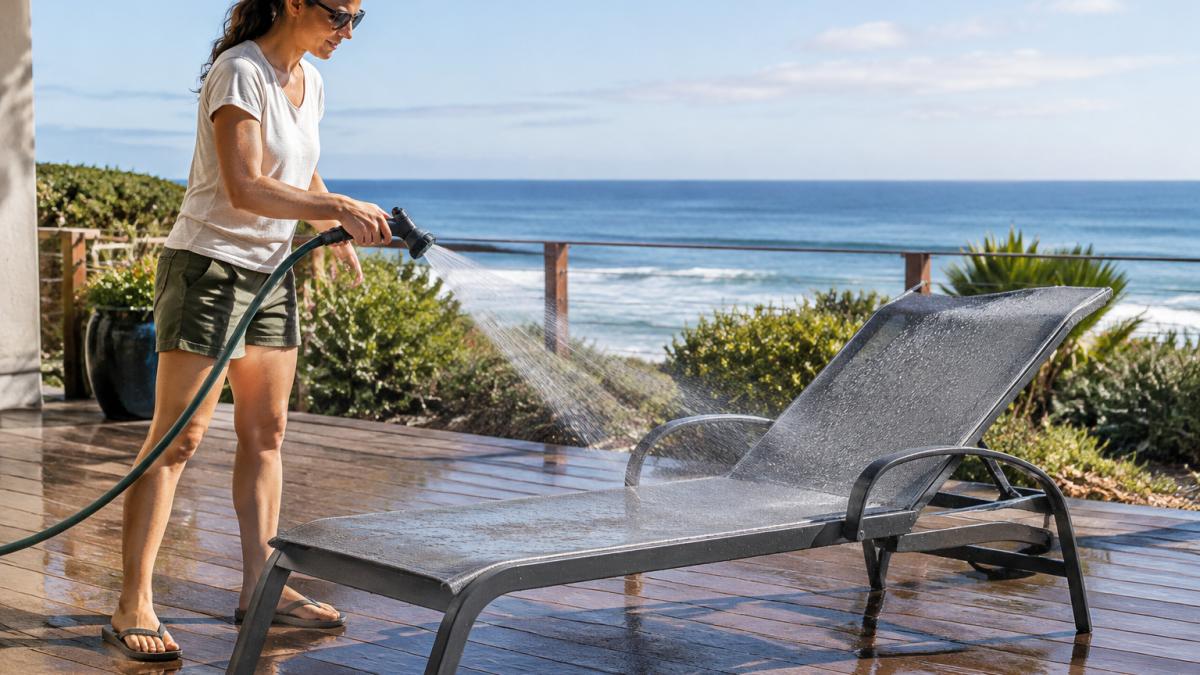
Build your schedule around exposure. A simple plan:
| Exposure Level | Rinse Frequency | Deep Clean |
|---|---|---|
| Direct oceanfront, wind-driven spray | Every 7-10 days | Monthly |
| Near coast, sheltered yard | Every 2 weeks | Every 6-8 weeks |
| Inland, occasional salt air | Monthly | Quarterly |
Use a hose on a gentle setting. Skip the pressure washer on painted or sealed surfaces, since it strips protective coatings. For a full deep clean, use mild soap and warm soapy water, then rinse and dry completely.
Material-Specific Care for Aluminum, Stainless Steel, Wrought Iron, Teak, Wicker, and Synthetic Resin
Each material fights salt differently, and treating them the same is where most people go wrong. Match your care to the surface.
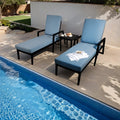
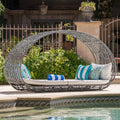
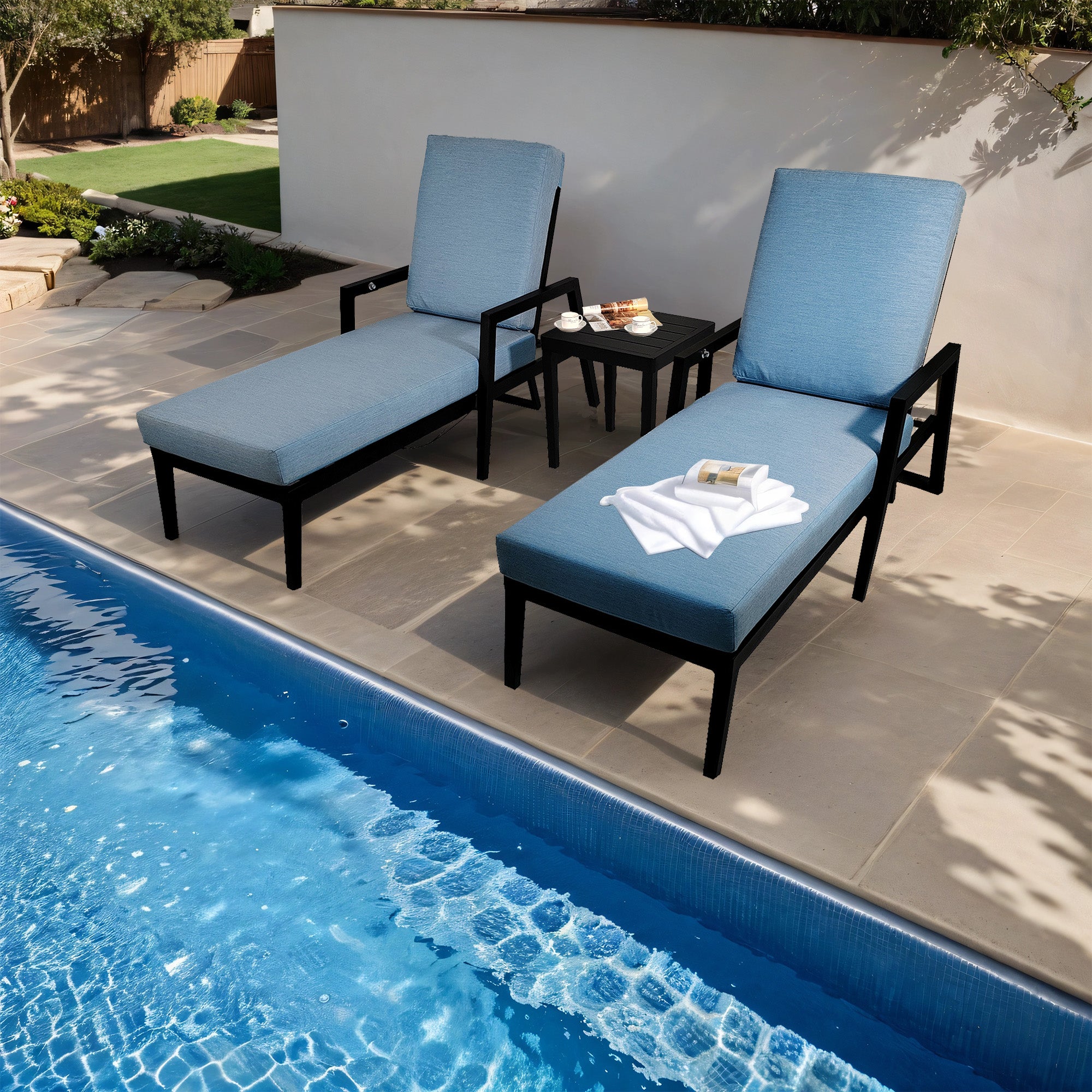
- Aluminum: Rinse often and apply a silicone sealant or marine-grade wax. Aluminum resists rust but still pits under salt. The 3PC Outdoor Aluminum Patio Furniture Chaise Lounge Set uses a lightweight aluminum frame.
- Stainless steel: Wipe with fresh water and dry fully. Salt causes tea-staining on stainless, so never let it air-dry wet.
- Wrought iron: Inspect for chipped paint weekly. Touch up bare spots with protective paint before rust starts.
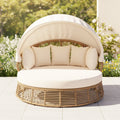
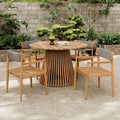
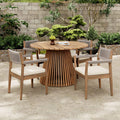
- Teak: Rinse and let it dry. Teak weathers to gray naturally, but sealing wooden furniture slows salt absorption. A wicker and FSC wood seating set benefits from the same dry-storage discipline.
- Wicker and synthetic resin: Brush off salt crystals, then rinse. Synthetic resin handles moisture well but traps salt in weaves, so rinse thoroughly.
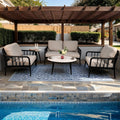
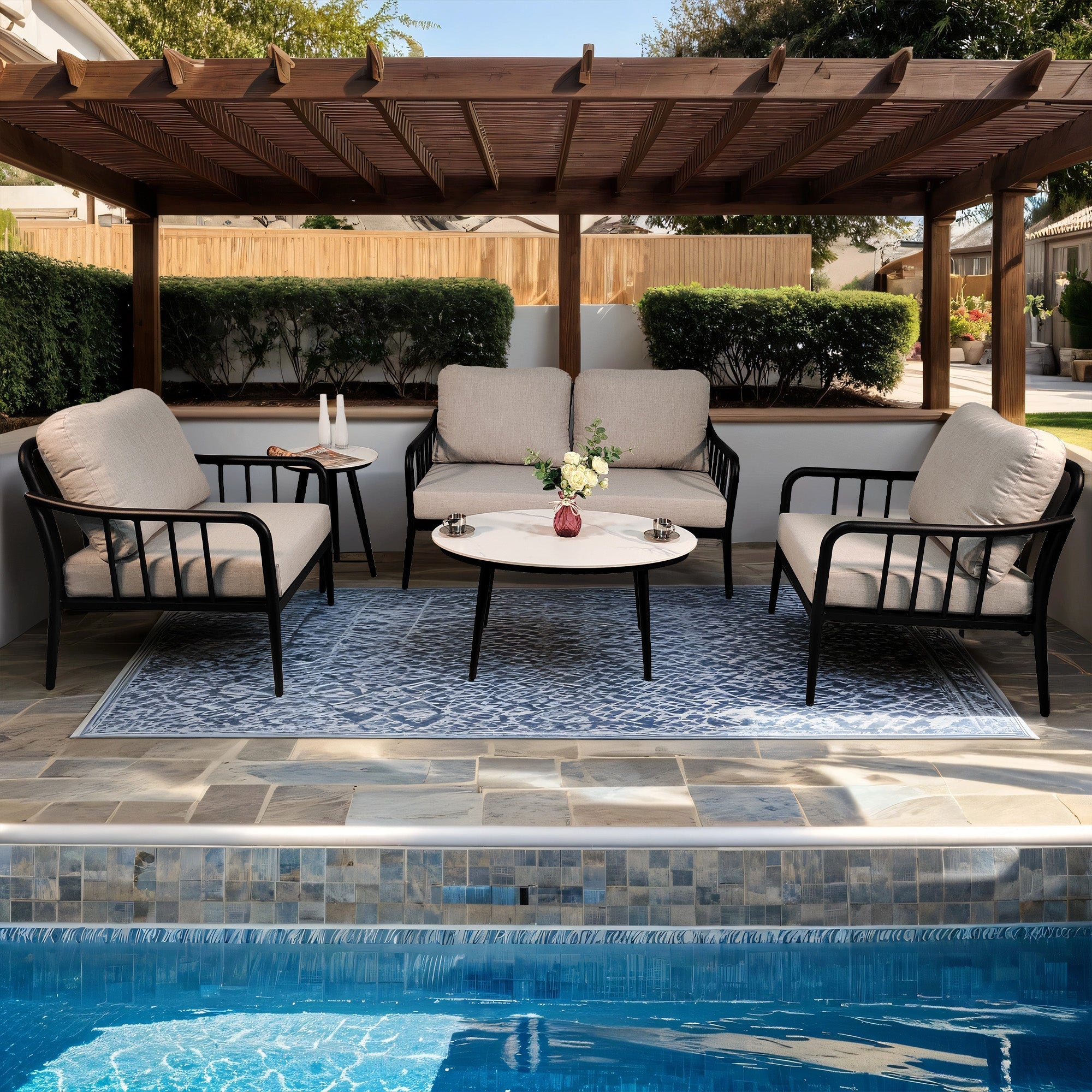
If you are investing in aluminum pieces, our modern aluminum conversation set features a durable aluminum frame.
Choosing a Protective Coating for Metal Outdoor Furniture
The right protective coating for metal outdoor furniture creates a barrier that keeps salt away from the metal itself. The barrier only works if the coating bonds to a clean, dry surface and stays intact through sun, rain, and rinse cycles. Choose a coating matched to your finish, and build reapplication into your seasonal routine rather than waiting for visible failure.
Match the Coating to the Metal and Finish
- Powder-coated aluminum: A marine-grade wax or a non-abrasive polymer sealant is the safest choice. Wax goes on thin, buffs clear, and can be reapplied every 2-3 months in heavy spray. Avoid solvent-heavy cleaners that dull the powder coat.
- Bare or clear-anodized aluminum: Use a silicone or polymer sealant designed for bare metal. Wax alone can leave a haze on bare aluminum, so test a small hidden area first.
- Stainless steel: A light film of marine-grade wax or a stainless-specific protectant slows tea-staining. Do not use chlorine-based cleaners, which attack the passive layer.
- Wrought iron and steel with paint: Protective paint is the barrier. Touch up chips with a direct-to-metal paint, then seal the whole frame with wax or a clear sealant.
- Wood and wicker: A waterproofing sealer or marine-grade oil slows moisture absorption. Avoid film-forming varnishes on pieces that flex, since trapped moisture under a cracked film accelerates decay.
Prepare the Surface Before You Coat
Most coating failures trace back to prep, not the product. Work in this order:
- Rinse off loose salt and grit with fresh water.
- Wash with mild soap and a soft brush, paying attention to welds, joints, and fastener heads where salt collects.
- Rinse again and dry completely with a towel. Coating over damp metal traps moisture and causes blistering.
- Sand any rough spots or existing rust to bare metal, then wipe off dust.
- Apply the coating in thin, even layers rather than one heavy coat.
Watch out: never coat a dirty or damp surface. Salt trapped under a coating corrodes faster than an uncoated frame because the barrier holds moisture against the metal.
Curing, Reapplication, and Compatibility
Follow the product label for cure time, and keep the piece dry for the full cure window. Most waxes and sealants need a dry day and several hours before they resist water; painting over a damp or incompletely cured surface is a common cause of peeling.
Compatibility matters as much as durability. Do not layer a silicone sealant over a waxed surface, and do not apply a solvent-based product over a fresh water-based coating. Test any new product on a hidden area first.
How to Rust-Proof Outdoor Furniture Before Corrosion Sets In
To rust-proof outdoor furniture, stop moisture from sitting on bare metal. Rust needs water and oxygen, so your job is to keep surfaces dry and sealed. Here is the order that works:
- Rinse off all salt and dirt.
- Scrub joints and welds with mild soap.
- Rinse and dry completely with a towel.
- Sand any existing rust spots to bare metal.
- Apply protective paint to bare spots.
- Seal the whole frame with wax or silicone sealant.
Check monthly. A quick inspection catches the first pit before it spreads. The American Galvanizers Association on corrosion and protective coatings outlines how barrier coatings slow metal corrosion.
How to Protect Outdoor Furniture Cushions from Salt and Moisture
To protect outdoor furniture cushions, keep them dry and rinse them before salt sets. Salt stiffens fabric and holds moisture against the foam, which leads to mildew and breakdown of the cushion core. The bigger risk is trapped moisture: a cover that seals in damp air does more damage than no cover at all.
Choose Cushions and Covers That Breathe
Look for removable, zippered covers and water-resistant fabrics such as solution-dyed acrylic or olefin, which resist salt staining and dry faster than cotton blends. For covers, choose a breathable, water-resistant fabric rather than a sealed tarp.
Fit matters as much as fabric. A cover should drape over the cushion with a little slack so air can move, not wrap it tight like plastic.
Use Covers Without Trapping Moisture
- Rinse covers with fresh water every couple of weeks to dissolve salt before it bonds.
- Wash removable covers with mild soap, then air-dry fully in the sun before putting them back.
- Bring cushions inside before rain or heavy spray, and never store them damp.
- Remove covers after storms and on humid days to let the cushion and frame dry.
- Stand cushions on edge rather than flat so air reaches both faces.
Watch out: covering damp furniture traps moisture and grows mildew. Always dry the cushion and the furniture frame first, and pull covers back after a storm to check for condensation underneath.
A Simple Cushion Routine
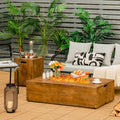
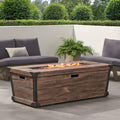
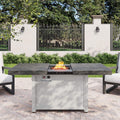
Rinse covers every two weeks in heavy spray season and monthly in milder conditions. Deep clean with mild soap and warm water when you see white crust or stiff fabric, then rinse and dry completely. Store cushions indoors during winter or extended wet spells. The olefin covers on our Outdoor Elegance Conversation Set with Fire Pit are UV- and water-resistant and machine-washable.

How to Protect Outdoor Furniture from Salt Spray in Winter
Winter brings wind-driven spray and constant damp, the worst combination for salt damage. To protect outdoor furniture from salt spray in winter, focus on blocking spray and keeping everything dry.
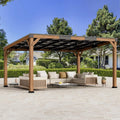
- Move pieces under a pergola or covered area.
- Use a waterproof cover that breathes, not a sealed tarp.
- Rinse and dry completely before covering.
- Check covers after storms for trapped moisture.
- Store cushions and fabric indoors.
Watch out: covering damp furniture traps moisture and grows mildew. Always dry first. A fire pit set keeps the space usable, and a conversation set with fire pit lets you enjoy the patio even in cooler months.
Removing Existing Salt Deposits and Treating Early Corrosion
Salt deposits come off with fresh water and patience. Soak the surface, let the salt dissolve, then rinse again.
For early corrosion:
- Identify pitting or rust spots.
- Sand the area to bare metal.
- Wipe clean and dry.
- Apply protective paint.
- Seal the repair with wax or silicone sealant.
Catch it early and a small spot stays small. Let it spread and the frame weakens. The U.S.
Salt spray will find every unprotected surface on your patio. The fix is a simple routine: rinse often, dry completely, coat metal, and store cushions dry.
Frequently Asked Questions
How often should you rinse patio furniture exposed to salt air?
Rinse with fresh water every two to four weeks during the summer, and more often during stretches of onshore wind or heavy coastal fog. A quick hose-down removes the salt film before it draws moisture from the air and starts working into seams and welds. In winter, rinse on any mild day when temperatures stay above freezing, then towel-dry metal frames so water does not sit in joints.
Can salt air damage aluminum patio furniture?
Yes, even though aluminum is naturally corrosion-resistant. Salt spray breaks down the thin oxide layer that shields the metal, which leads to chalky white oxidation, pitting, and eventually structural weakness at welds. Powder-coated and anodized aluminum holds up far better than bare metal. A rinse schedule plus a protective coating for metal outdoor furniture keeps that barrier intact season after season.
Should you cover outdoor furniture in a coastal environment?
Cover it only when the furniture is completely dry, and choose a breathable, waterproof cover rather than a fully sealed tarp. A cover that traps moisture creates the humid pocket mold and mildew need. Ventilated covers with mesh panels let trapped humidity escape while blocking salt-laden rain. During long wet spells, pull covers off for a day so frames and cushions can air out.
How do you protect outdoor furniture cushions from salt and moisture?
Start with solution-dyed acrylic or olefin covers, which resist salt, fading, and mildew better than cotton blends. Brush off salt residue, then wash with mild soap and warm water, rinse thoroughly, and stand cushions on edge to dry completely before replacing them. Store cushions indoors during off-season storms, and never stack them damp. A waterproof cover over dry cushions adds a second layer of defense.