Design a Cohesive Outdoor Living Space: 7 Steps
Table of Contents
- Step 1: Assess Your Home's Architecture and Define Your Style
- Step 2: How to Zone an Outdoor Living Area for Function
- Step 3: Create Indoor-Outdoor Flow With Strategic Design
- Step 4: Select a Cohesive Color Palette and Materials
- Step 5: Choose Best Materials for Durable Outdoor Furniture
- Step 6: Plan Lighting, Privacy, and Seasonal Transitions
- Modern Backyard Renovation Ideas 2026: Smart Tech and Sustainability
- Common Design Mistakes to Avoid
- Frequently Asked Questions
Last Updated: September 3, 2026
Step 1: Assess Your Home's Architecture and Define Your Style
Your home's architectural style sets the foundation for a cohesive outdoor living space. Before selecting furniture, materials, or colors, study your house's roofline, material palette, proportions, and era. A modern minimalist home demands clean lines and restrained materials. A traditional colonial home calls for classic proportions and timeless materials. A Mediterranean villa needs warmth, texture, and earthy tones.
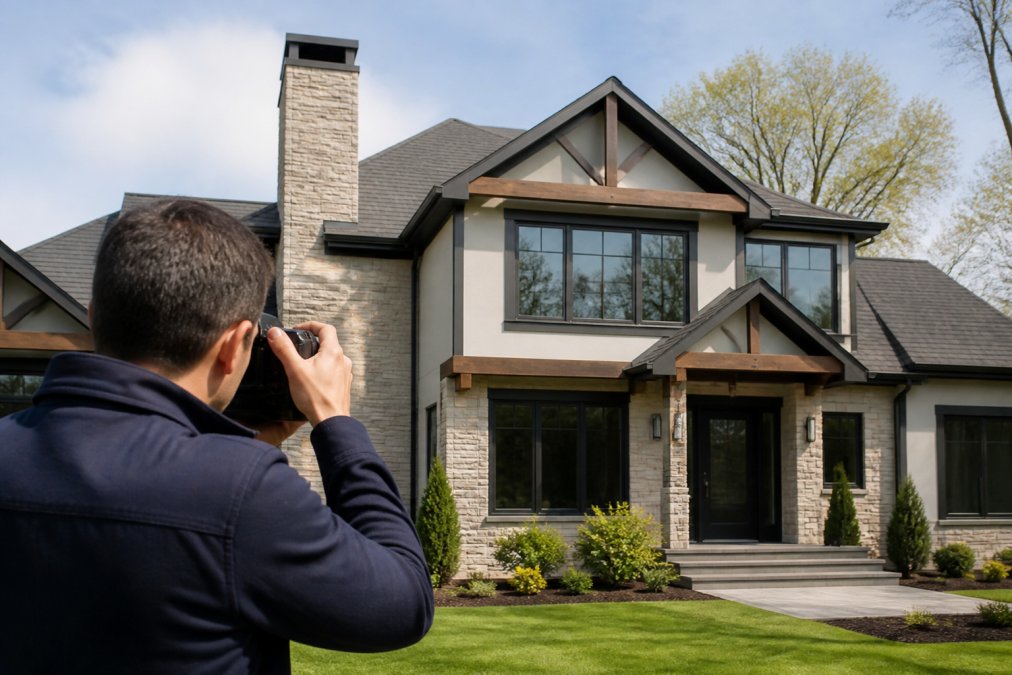
Walk around your property and photograph the exterior from multiple angles. Note the dominant materials, siding, brick, stone, stucco, and observe the color palette. Look at how your home sits on the lot. Is it formal and symmetrical? Organic and asymmetrical? These visual cues should echo in your outdoor design.
Your style doesn't need to match your home's era exactly, but it must respect the visual language. A contemporary outdoor living room can work beautifully beside a 1970s ranch home if you use compatible colors and proportions. The discord comes when scale and material feel random.
Start by collecting 10-15 images of outdoor spaces you love. Be honest about what resonates. Do you return to images with abundant greenery and soft edges, or do you prefer hardscaping, clean geometry, and minimal planting? Your instinct reveals your true style preference. Once you identify it, commit to it consistently across your entire outdoor space.
Step 2: How to Zone an Outdoor Living Area for Function
Zoning transforms a flat yard into distinct functional areas, dining, lounging, cooking. Without zones, your outdoor space feels purposeless. With them, it becomes a true living room extension.
Start by asking: What will actually happen here? Will you host dinner parties? Quiet morning coffee? Kids' play? Your answer determines your zones. A family with young children needs an open play area distinct from adult seating. A couple who entertains frequently needs generous dining and lounge zones.
Sketch your yard to scale. Mark the sun's path (south-facing areas get intense afternoon heat; north-facing stays cool). Note existing trees, structures, and views you want to preserve or screen. Identify traffic flow, where does foot traffic naturally move? Zones should sit along natural pathways, not across them.
Functional zones typically include:
- Dining area: 12-16 feet from the house, ideally with shade overhead
- Lounge/seating zone: 15-20 feet from the house, oriented toward views or focal points
- Cooking/prep area: Adjacent to the kitchen door for easy access
- Transition zone: A buffer between your house and the main entertaining area
Each zone needs spatial definition. Use hardscaping (raised beds, paving changes), softscaping (plantings, hedges), or shade structures (pergolas, gazebos) to signal boundaries. This creates the sense of separate rooms without closing off sight lines.
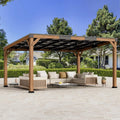
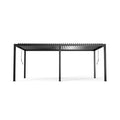
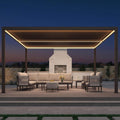
The Alora Premium Outdoor Aluminum Louvered Patio Pergola with LED Lights works exceptionally well as a zone anchor. Its adjustable louvers let you control light and shade throughout the day, and the integrated LED lighting extends functionality into evening hours.

Step 3: Create Indoor-Outdoor Flow With Strategic Design
Indoor-outdoor flow is the visual and physical continuity that makes stepping outside feel like moving into another part of your home, not leaving it.
Flow begins at the threshold. If your back door opens to a deck or patio, that transition space is critical. The color, material, and furniture arrangement should echo what's visible inside. If your interior living room uses warm wood and neutral upholstery, your outdoor seating should reference those materials and tones.
Sight lines matter enormously. From inside looking out, what do people see? Remove visual clutter from that sightline. Arrange furniture to frame views, not block them. Use color and material to create continuity, outdoor rugs, cushion colors, and hardscaping should feel like natural extensions of interior palettes, not jarring contrasts.
Material continuity reinforces flow. If your interior uses natural wood flooring, your deck or patio should echo that warmth through actual wood decking or composite materials in wood tones. If your interior is predominantly stone and concrete, your outdoor hardscaping should repeat those materials.
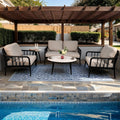
Furniture scale and arrangement reinforce flow too. Match your outdoor furniture scale to the proportions of your interior rooms and the size of your outdoor zones. The 5PC Outdoor Aluminum Patio Furniture Modern Chat Sofa Conversation Set from Backyard Sanctuary Supply LLC uses tapered aluminum frames that feel contemporary and light without overwhelming a space.

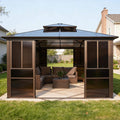
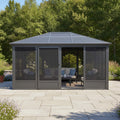
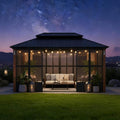
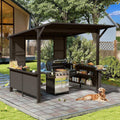
Lighting extends flow into evening hours. Interior lighting warmth (typically 2700K color temperature) should continue outside (energy.gov). Warm-toned path lights, deck lights, and overhead lighting create seamless visual flow after dark. The Alora Meridian Premium Four Season Outdoor Aluminum Hardtop Gazebo includes integrated lighting that can be tuned to match your interior ambiance.
Step 4: Select a Cohesive Color Palette and Materials
A cohesive color palette is the fastest way to make a disjointed outdoor space feel intentional.
Start with three dominant colors and two accent colors. Your dominant colors should come from your home's exterior and interior. If your house is cream-colored siding with dark charcoal trim, use those as anchors. If your interior features warm gray walls and natural wood, those are your dominant palette.
Dominant colors typically occupy 60-70% of your visible outdoor space, including hardscaping, large furniture pieces, and structural elements (peer-reviewed research). Accent colors (20-30%) appear in cushions, outdoor rugs, planters, and accessories. Reserve 10% for pop colors that add personality without overwhelming the space.
Material selection drives both aesthetics and durability. A cohesive outdoor living space uses materials that feel intentional together. Common material combinations that work:
- Modern: Aluminum structures + composite decking + concrete pavers + stainless steel accents
- Traditional: Wood pergolas + natural stone pavers + wood furniture + wrought iron details
- Contemporary: Steel frames + composite materials + large-format pavers + minimalist planters
- Transitional: Composite decking + mixed stone pavers + aluminum furniture + natural wood accents
Weather-resistant materials are non-negotiable for year-round outdoor living. Aluminum doesn't rust. Composite decking resists rot and splintering. High-density sintered stone tabletops withstand temperature swings. Sunbrella fabric upholstery resists fading and mildew.
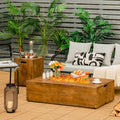
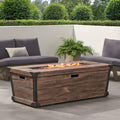
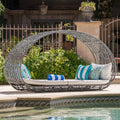
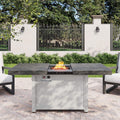
The Outdoor Elegance Conversation Set with Fire Pit uses rustproof aluminum frames wrapped in espresso-colored HDPE wicker, paired with 5-inch foam cushions covered in UV- and water-resistant olefin.

Step 5: Choose Best Materials for Durable Outdoor Furniture
Outdoor furniture durability depends on three factors: frame material, upholstery, and finish quality.
Aluminum doesn't corrode in salt or fresh water environments. Steel requires proper finishing to prevent rust. Teak develops a silvery patina but remains structurally sound for decades. For most climates and budgets, aluminum represents the best balance of durability, low maintenance, and modern aesthetics.
Upholstery fabric choice separates furniture that lasts from furniture that deteriorates. Sunbrella and similar solution-dyed acrylic fabrics resist fading, mildew, and water absorption. Polyester blends fade faster. For a cohesive outdoor living space that maintains its appearance through multiple seasons, invest in solution-dyed fabrics.
Cushion fill matters too. High-density foam (5 inches or thicker) resists compression and maintains shape (astm.org). Quality cushions include zippered covers for cleaning and replacement.
Finish quality affects how surfaces age. Powder-coated aluminum resists scratching and UV degradation. Sealed wood maintains color longer than unsealed wood. Stainless steel hardware resists corrosion in all climates.
The 5PC Outdoor Aluminum Patio Furniture Modern Chat Sofa Conversation Set uses premium Sunbrella fabric upholstery and aluminum frames with a durable powder-coated finish. The high-density sintered stone tabletops resist temperature swings and UV exposure.
Step 6: Plan Lighting, Privacy, and Seasonal Transitions
Lighting transforms an outdoor living space from daytime-only to year-round functional. Layered lighting creates ambiance and functionality. Ambient lighting (overhead, diffused) sets the overall mood. Task lighting (focused, directional) illuminates dining tables and cooking areas. Accent lighting (decorative, spotlighting) highlights plants and architectural features. Use warm color temperatures (2700K) that match interior lighting.
Shade structures serve dual purposes: they control sun exposure and create defined outdoor rooms. Pergolas offer filtered shade with architectural interest. Gazebos provide complete coverage. The Alora Premium Outdoor Aluminum Louvered Patio Pergola adjusts from 0° to 90°, giving you precise control over light and shade throughout the day.
Privacy screening prevents your outdoor space from feeling exposed to neighbors. Dense plantings (hedges, bamboo screens, climbing vines) create soft privacy. Hardscaping screens (slatted fencing, privacy panels, stone walls) create defined boundaries. Combine both for optimal effect.
Seasonal transitions ensure your outdoor space remains functional through all four seasons. In fall, prepare furniture for winter storage or invest in weather-resistant covers. In winter, maintain hardscaping and check structural integrity. In spring, refresh cushions and clean surfaces. In summer, focus on shade and evening ambiance.
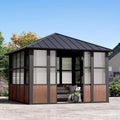
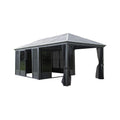
The Alora Meridian Premium Four Season Outdoor Aluminum Hardtop Gazebo is specifically designed for year-round use. Its galvanized steel roof handles snow load. Movable PVC screen walls adapt to seasonal needs, open in warm months, closed for wind and insect protection in cooler months.
Modern Backyard Renovation Ideas 2026: Smart Tech and Sustainability
Contemporary outdoor living spaces integrate smart technology and sustainable materials in ways that enhance functionality and environmental responsibility.
Smart technology for outdoor spaces includes automated lighting (triggered by motion or sunset), irrigation systems that adjust to weather conditions, and weather-resistant speakers integrated into shade structures. Automated shade structures like the Alora Meridian's louvered pergolas can be controlled via smartphone apps, allowing you to adjust shade without walking outside.
Sustainable material sourcing reflects a growing commitment to responsible design. Composite decking made from recycled plastic and wood fibers reduces landfill waste while delivering superior durability. Aluminum is infinitely recyclable without degradation. Responsibly harvested hardwoods certified by the Forest Stewardship Council offer durability without contributing to deforestation.
Water conservation in outdoor spaces includes rainwater harvesting for irrigation, drought-resistant plantings, and permeable hardscaping that allows water infiltration. Energy-efficient outdoor lighting with LED fixtures and smart controls reduces energy consumption while maintaining ambiance.
A cohesive outdoor living space in 2026 balances aesthetics, functionality, durability, and environmental responsibility. Smart technology should be invisible, enhancing experience without drawing attention. Sustainable materials should look and perform as well as conventional options.
Common Design Mistakes to Avoid
Most outdoor living spaces fail because of common planning mistakes that compound over time.
Ignoring scale and proportion creates spaces that feel cramped or empty. Measure your space carefully and sketch furniture placement to scale before buying.
Mixing too many materials creates visual chaos. Commit to two or three materials maximum and let them tell a coherent story.
Neglecting shade and lighting limits usability. A sun-baked patio is unusable during peak afternoon heat. An unlit space becomes inaccessible after sunset.
Choosing furniture based on looks alone leads to early replacement. Prioritize weather-resistant materials and proven construction over appearance alone.
Failing to define zones leaves your outdoor space feeling purposeless. Hardscaping, plantings, and shade structures create essential boundaries.
Disconnecting from your home's architecture makes your outdoor space feel like an afterthought. Your outdoor design should echo your home's visual language.
Overcrowding the space with too much furniture and too many plantings leaves no room to move or breathe. Negative space is as important as filled areas.
Designing a cohesive outdoor living space requires intentional planning, but the payoff is extraordinary. You'll create an extension of your home that feels as natural and comfortable as any interior room. Backyard Sanctuary Supply LLC helps homeowners navigate these decisions with a curated selection of premium outdoor furniture, shade structures, and hardscaping products designed for durability and modern aesthetics. Explore the Collection to find pieces that transform your yard into a functional, beautiful outdoor living room you'll use year-round.
Frequently Asked Questions
Q: What are the most common patio design mistakes to avoid when creating a cohesive outdoor living space?
A: The biggest mistakes are ignoring traffic flow, mismatching scales between furniture and the yard, and failing to connect your outdoor space visually to your home's interior. Many homeowners also overcrowd small patios or choose furniture that doesn't match their home's architectural style. Plan your layout on paper first, measure twice, and select pieces that echo your home's color palette and materials. This prevents costly rearrangements and ensures your outdoor space feels intentional, not haphazard.
Q: How do I choose a color palette for my outdoor space that flows with my home?
A: Start by identifying your home's dominant exterior colors, roof, siding, trim, and pull two to three accent colors from your interior. Limit your outdoor palette to these same colors to create architectural continuity. Use neutral tones (grays, taupes, blacks) for large furniture pieces and structural elements like pergolas, then introduce accent colors through cushions, rugs, and plants. This approach allows seasonal updates without clashing and makes your yard feel like a natural extension of your home rather than a separate space.
Q: What makes outdoor furniture durable enough for year-round use?
A: Look for aluminum frames with powder-coated finishes, high-density sintered stone tabletops, and weather-resistant upholstery like Sunbrella fabric. These materials resist rust, UV fading, and moisture damage across all seasons. Avoid untreated wood and low-grade metals unless you're prepared for regular maintenance. Premium outdoor furniture from brands like Backyard Sanctuary Supply is engineered to handle temperature swings, humidity, and UV exposure without deteriorating, making it a true long-term investment rather than a seasonal purchase.
Q: How can I make a small backyard feel like a cohesive outdoor living space?
A: In smaller yards, define functional zones using hardscaping (pavers, gravel) and vertical elements like pergolas or privacy screens to create spatial definition without eating floor space. Choose multi-functional furniture, a fire pit conversation set doubles as seating and a focal point. Keep your color palette tight and consistent to avoid visual chaos. Vertical softscaping (climbing vines, tall planters) and ambient lighting draw the eye upward and outward, making the space feel larger while maintaining cohesion with your home's aesthetic.