How to Choose Weather-Resistant Outdoor Furniture
Table of Contents
- Assess Your Climate and Exposure Conditions
- Best Outdoor Furniture Materials for Humid Climates
- Outdoor Furniture Fabric Durability Ratings and Selection
- Evaluate Frame Construction and Structural Durability
- How to Maintain Teak Outdoor Furniture
- Protect Your Furniture from Sun, Rain, and Wind Damage
- Repairability and Long-Term Value
- Conclusion
- Frequently Asked Questions
Last Updated: August 31, 2026
Assess Your Climate and Exposure Conditions
Choosing weather-resistant outdoor furniture starts with understanding your backyard's specific challenges. Temperature swings, humidity, salt spray, UV intensity, and wind patterns determine which materials will hold up. A piece thriving in a dry desert climate may fail in a humid subtropical environment.
Identify your exposure challenges: Are you near the coast where salt corrodes metal? Do you experience intense heat and monsoon rains? Is your yard shaded or fully exposed to sun? Document your climate's extremes, temperature ranges, humidity levels, and seasonal precipitation. If your yard sits on a windy hilltop, wind resistance becomes critical. If it's shaded, mildew resistance matters more than UV protection.
Consider microclimates within your yard. The area next to a pool experiences different conditions than a sheltered patio. Furniture near reflective surfaces gets concentrated UV rays. Spots with poor drainage trap moisture. Understanding these specifics lets you match materials to conditions rather than relying on generic recommendations.
Best Outdoor Furniture Materials for Humid Climates
Humid climates demand materials that resist moisture absorption, prevent mold growth, and won't corrode or rot. The right materials handle humidity without constant intervention.
Marine-Grade Aluminum and Powder-Coated Steel
Marine-grade aluminum and powder-coated steel are engineered for moisture-heavy environments. Aluminum naturally resists corrosion by forming a protective oxide layer (nist.gov). Powder coating adds another defense against salt spray and humidity.
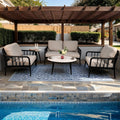
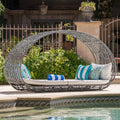
These metals stay rigid under weight and won't splinter or degrade like wood in wet conditions. Powder-coated finishes come in virtually any color, giving design flexibility without sacrificing durability. The trade-off is that metal conducts heat, in direct sun, aluminum frames become uncomfortably hot. Pairing metal frames with cushions solves this problem. At Backyard Sanctuary Supply LLC, our Alora 7-Piece Outdoor All-Weather Rattan Patio Sofa Set combines an aluminum frame with weather-resistant wicker, creating a piece that handles humidity while remaining comfortable.

All-Weather Wicker and Synthetic Resin
All-weather wicker is synthetic, typically made from high-density polyethylene (HDPE) or polypropylene wrapped around an aluminum or steel frame. It delivers the aesthetic of traditional wicker without moisture problems that plague natural materials.
Synthetic resin wicker doesn't absorb water, won't rot, and resists mildew. It maintains color better than natural wicker and requires minimal maintenance. Premium all-weather wicker uses tightly woven synthetic fibers over a solid metal frame that won't bend under weight. Mildew can still develop on cushions, so water-repellent and mildew-resistant cushion covers are essential.
Teak and Premium Hardwoods
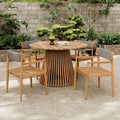
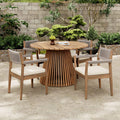
Teak is the gold standard for outdoor wood furniture. It contains natural oils that resist rot, insects, and moisture. Teak weathers to a silvery-gray patina that's actually protective, preventing deeper water penetration.
Ipe wood and other premium hardwoods offer similar durability with different aesthetics. These dense hardwoods resist splintering and won't warp significantly in humid climates. Teak requires regular maintenance, seasonal cleaning and teak oil application, to stay looking new. With proper care, teak can last decades. It costs significantly more than other materials, but it's an investment in longevity.
Outdoor Furniture Fabric Durability Ratings and Selection
Cushions and upholstery fail more often than frames. Understanding fabric ratings and construction separates purchases that last from those that don't.
Understanding UV Resistance and Colorfastness
UV-resistant fabrics use dyes and treatments that prevent fading in direct sunlight. Colorfastness measures how well a fabric retains its color under UV exposure. Look for fabrics rated AATCC 16.3 or similar standards (aatcc.org). Fabrics with ratings of 7-8 on a scale of 1-8 will hold their color reliably for years (aatcc.org).
Olefin and solution-dyed acrylic fabrics typically offer the best UV resistance. These materials have color built into the fiber itself, not applied as a surface treatment. When the surface wears, the color underneath remains the same. Budget fabrics fade visibly within a season or two.
Water-Repellent and Mildew-Resistant Cushions
Water-repellent treatment prevents moisture from soaking into cushion foam. Mildew-resistant treatments inhibit mold and mildew growth within the foam and fabric. Combined with water-repellent coatings, they create a system that handles humidity.
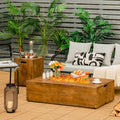
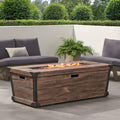
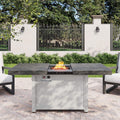
Cushion density matters as much as fabric treatment. Higher-density foam (5+ inches thick) resists compression and moisture penetration better than thin cushioning. Check whether cushion covers are removable and machine-washable, allowing seasonal cleaning and thorough drying. At Backyard Sanctuary Supply LLC, our Outdoor Elegance Conversation Set With Fire Pit includes 5-inch foam cushions with UV- and water-resistant covers that are machine-washable.

| Feature | Impact on Durability | What to Look For |
|---|---|---|
| Cushion Density | Higher density resists compression and moisture | 5+ inches thick |
| Fabric Treatment | Water-repellent + mildew-resistant | AATCC rated fabrics |
| Colorfastness Rating | Prevents fading in direct sun | 7-8 on 1-8 scale |
| Cover Removability | Allows cleaning and drying | Zippered, machine-washable |
| Seam Quality | Prevents water seepage | Double-stitched, sealed |
Evaluate Frame Construction and Structural Durability
The frame is the skeleton of outdoor furniture. A beautiful cushion on a weak frame creates a piece that fails under normal use.
Load-Bearing Capacity and Tensile Strength
Load-bearing capacity is the maximum weight a piece safely supports. A dining chair must handle not just a person's weight but also the stress of movement and repeated use. Cheap frames flex and wobble; premium frames stay rigid.
Tensile strength measures how much force a material can withstand before breaking. Steel and aluminum have high tensile strength. Thicker gauge metal (lower numbers indicate thicker material) provides greater tensile strength and rigidity. Always check the dynamic rating for furniture you'll actually use regularly, not just static load capacity.
Welded joints are stronger than bolted connections, but bolted frames allow easier repair. The best outdoor furniture uses welded construction in primary stress points and bolted connections for adjustable or replaceable parts.
Corrosion Resistance and Rust-Proof Finishes
Rust-proof finishes protect metal frames from oxidation. Powder coating, anodizing, and galvanizing are the main methods. Powder coating creates a hard, colored finish that seals the metal. Anodizing thickens the natural oxide layer on aluminum. Galvanizing applies a zinc layer to steel.
High-quality powder coating (25+ microns thick) resists chipping and fading better than thin coatings. Multiple layers provide better protection than single-layer finishes. In corrosive environments like coastal areas, stainless steel becomes worth the premium cost.
How to Maintain Teak Outdoor Furniture
Teak furniture requires intentional maintenance, but the payoff is genuine. A well-maintained teak set looks refined; neglected teak looks abandoned.
Seasonal Cleaning and Teak Oil Application
Clean teak furniture at the start of each season using a soft-bristled brush and mild soap with warm water. Scrub gently to remove dirt and organic growth without damaging the wood grain. Rinse thoroughly and allow to dry completely.
Teak oil penetrates the wood and restores the rich color that fades during weathering. Apply teak oil once or twice per year, depending on sun exposure and climate. Sand the surface lightly with fine-grit sandpaper (220+ grit) to open the grain. Apply teak oil with a brush or cloth, working with the grain. Let it soak for 15-20 minutes, then wipe away excess.
Managing Patina and Weathering
If you skip oil treatment, teak develops a silvery-gray patina, a natural protective layer that prevents deeper water penetration. Many designers prefer this aesthetic to oiled teak. The key is consistency: either commit to regular oiling or let it weather naturally.
Mold and mildew can grow on teak in humid climates, especially in shaded areas. If you notice dark spots, clean with a diluted bleach solution (1 part bleach to 10 parts water) and a soft brush. Rinse thoroughly and allow to dry completely. Don't use pressure washers on teak; high-pressure water damages the grain and accelerates weathering.
Protect Your Furniture from Sun, Rain, and Wind Damage
Strategic shading, covers, and storage extend furniture life significantly.
Shade Protection and UV-Resistant Covers
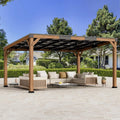
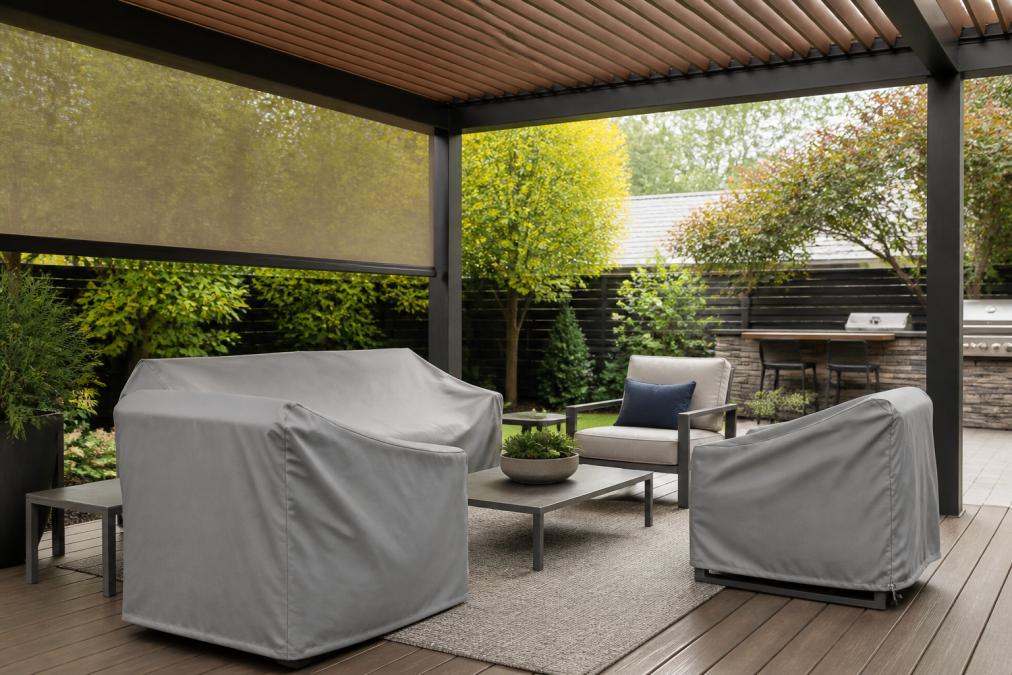
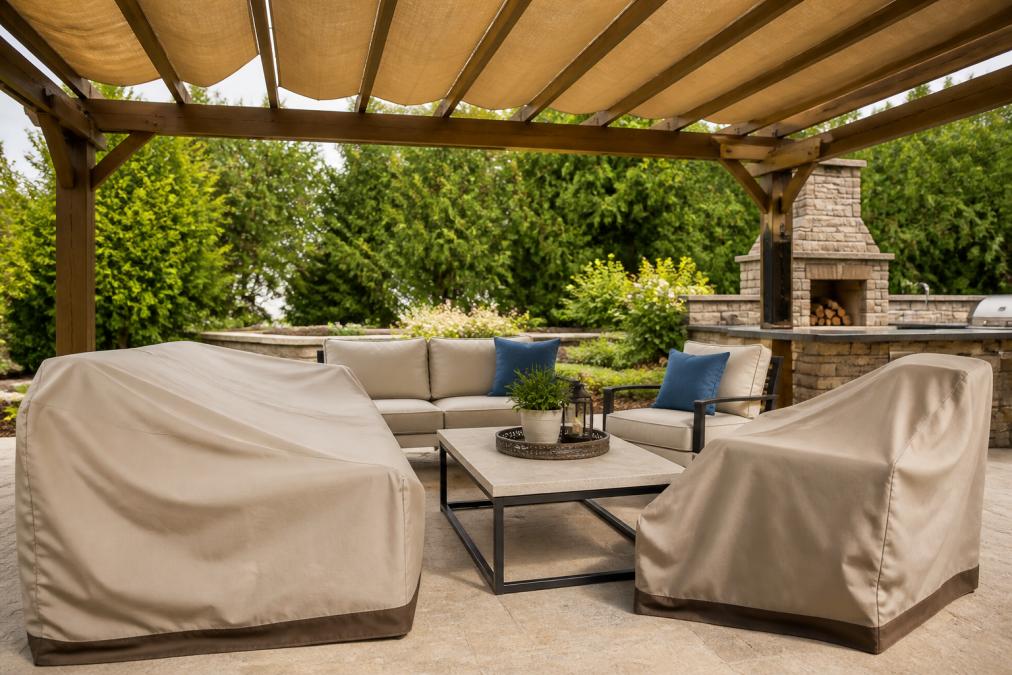
Direct, all-day sun accelerates fading and material degradation. A pergola or shade structure protects furniture while creating a more comfortable outdoor space. If permanent shade isn't possible, use UV-resistant covers when furniture isn't in use. Covers should fit snugly to prevent wind from dislodging them but allow ventilation underneath to avoid trapping moisture.
For long-term storage, opaque covers are fine. For seasonal use, breathable synthetic materials allow air circulation while blocking UV. Make covering furniture part of your seasonal routine.
Weight, Wind Resistance, and Seasonal Storage
Wind can topple lightweight furniture. In windy climates, choose substantial frames over delicate designs. Secure lightweight pieces during storms and store cushions indoors during extreme weather.
In regions with severe winters, move cushions and removable parts indoors to prevent freeze-thaw damage. Metal frames can stay outside. Before storing, clean furniture thoroughly and ensure it's completely dry. Use breathable storage covers rather than sealed plastic, which traps moisture. Store in a location with good air circulation.
Repairability and Long-Term Value
The best weather-resistant outdoor furniture should be repairable. Premium outdoor furniture uses modular construction, cushions come off for cleaning or replacement, wicker can be rewoven, frames can be refinished. This approach costs more upfront but delivers genuine long-term value.
Check whether replacement parts are available. Can you buy new cushions five years from now? Established brands maintain parts inventory for years. A repairable, long-lasting piece is more sustainable than disposable furniture replaced every few years. The total cost of ownership over 10-20 years is actually lower.
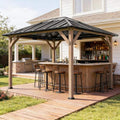
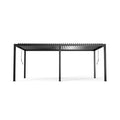
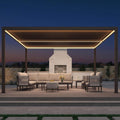
At Backyard Sanctuary Supply LLC, we focus on curated pieces designed for longevity. Our Alora Modern Durable All-Weather Outdoor Pergola uses powder-coated aluminum and steel with modular louvers that can be adjusted or replaced, ensuring your investment remains functional for decades.
Conclusion
Choosing weather-resistant outdoor furniture requires understanding your specific climate, evaluating materials honestly, and committing to appropriate maintenance. There's no single "best" material, teak, aluminum, synthetic wicker, and powder-coated steel each excel in different conditions and offer different aesthetic and maintenance trade-offs.
The real difference between furniture that lasts and furniture that fails is intentionality. Assess your climate, match materials to conditions, invest in quality construction and finishes, and maintain pieces appropriately. This approach transforms your backyard into a genuine outdoor living space.
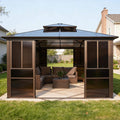
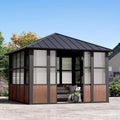
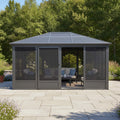
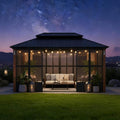
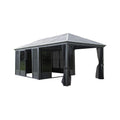
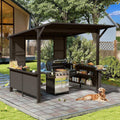
At Backyard Sanctuary Supply LLC, we've curated a collection of premium outdoor living products specifically selected for durability, clean modern design, and real-world functionality. Our Alora 7-Piece Outdoor All-Weather Rattan Patio Sofa Set and Alora Meridian Premium Four Season Outdoor Aluminum Hardtop Gazebo exemplify the materials and construction standards that deliver lasting value. Start with a thorough climate assessment, choose materials that match your conditions, and maintain pieces appropriately. Your outdoor space will reward the effort with years of reliable use and genuine enjoyment.

Frequently Asked Questions
What is the most weather-resistant outdoor furniture material?
Marine-grade aluminum, powder-coated steel, and all-weather synthetic resin rank highest for durability. Aluminum resists corrosion in salt air and humidity; synthetic wicker won't rot or splinter; teak develops a protective patina over time. The best choice depends on your climate, humid regions benefit from aluminum and synthetic options, while drier climates suit teak. Frame integrity matters as much as material; look for rustproof construction and UV-resistant finishes for year-round performance.
How do I know if outdoor furniture fabric has good durability ratings?
Check for colorfastness ratings (resistance to fading) and water-repellent treatments on cushion covers. Quality outdoor fabrics resist mildew and maintain color after extended hours of UV exposure. Machine-washable covers with UV- and water-resistant olefin construction offer practical durability. Look for fabric breathability to prevent moisture buildup, and verify that cushion density supports long-term comfort without compression. Thicker foam (4-5 inches) with premium covers lasts longer than thin alternatives.
Can outdoor furniture really be left outside all year long?
Yes, if built with weather-resistant materials and proper maintenance. Aluminum frames, synthetic resin, and high-density polyethylene (HDPE) lumber withstand year-round exposure. Teak and marine-grade stainless steel also perform well outdoors. Cushions with water-repellent, mildew-resistant covers and removable zippered designs extend life. Protective covers during extreme weather and seasonal cleaning prevent damage. Furniture designed for four-season use, like hardtop gazebos with galvanized steel roofs, can handle snow, rain, and intense sun without deterioration.
What type of outdoor furniture lasts the longest?
Furniture with marine-grade aluminum frames, synthetic wicker, and powder-coated steel components typically lasts 10-15+ years with proper care. Teak naturally resists rot and improves with age, lasting 20+ years. Hardtop gazebos with galvanized steel roofs and reinforced aluminum frames offer exceptional longevity for permanent installations. Load-bearing capacity and tensile strength matter, heavier, well-constructed pieces resist wind damage and frame failure. Repairability also extends life; modular designs with replaceable cushions and removable covers cost less to maintain than non-serviceable pieces.